
The music industry has always been cyclical. What was once considered outdated often returns—refined, modernized, and more effective than before. That reality is now playing out with the resurgence of street team marketing.
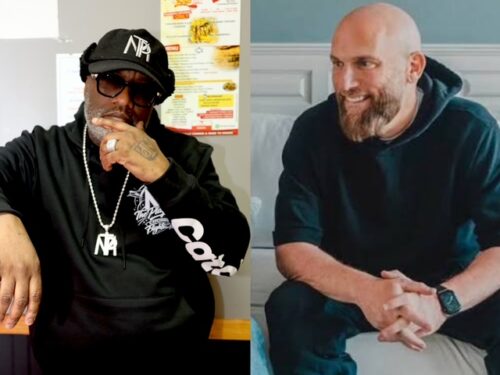
In the 1990s, Steve Rifkind pioneered organized street teams through labels like Loud Records, creating a system built on physical presence, repetition, and cultural immersion. His blueprint turned unknown artists into household names by mobilizing real people in real environments—flyers, posters, word-of-mouth, and street-level influence.
As the industry transitioned into the digital era, that infrastructure faded. Social media, streaming platforms, and algorithm-based promotion took center stage. While efficient, the shift created a disconnect—artists gained visibility but lost tangible community engagement.
Enter KB “The Playmaker” Barrell.
Based in Milwaukee, Barrell recognized the gap. Through his company, Customs By ThePlaymaker, he reintroduced structured street team systems across key Midwestern markets including Chicago, Detroit, and St. Louis. His execution was not nostalgic—it was strategic.
• Windshield marketing campaigns.
• Pop-up performances.
• Autograph signings.
• City-to-city activation runs.
Barrell’s model did not reject digital—it integrated it. Every street activation became content. Every interaction became amplification. The result: a hybrid system that restored authenticity while leveraging modern reach.
“I learned from the great Steve Rifkind… I watched, I learned, and I executed.”
The return of street team work is not a trend. It is a correction.


Leave a Reply